


A licence check should authenticate the proposed service, not merely find a similar company name. Match the current legal entity, contact details, activity and customer scope.
Collect the exact claim before searching
Save the agreement, company name, claimed regulator, reference number and website. Record whether the seller claims full authorisation, a limited registration, an appointed relationship or private membership.
The wording matters because these statuses can have different implications. A marketing badge that does not name an authority or entity is an incomplete claim.
Open the genuine register independently
Navigate from the regulator’s own site, then search the company and identifier. Avoid relying exclusively on a register page linked in a private message.
A real result may concern a different company or be copied by a clone. Verify the domain and contact details using independently obtained information, and retain the source address and checking date.
Review the permission fields
| Field | Question |
|---|---|
| Status | Active, restricted, withdrawn or historical? |
| Activity | What service is permitted? |
| Products | Does the relevant product fit the scope? |
| Customers | Retail or another specified category? |
| Territory | Where can the service be offered? |
Follow relationships carefully
If the offer names a parent, subsidiary, introducer or representative, establish which entity contracts with the customer. A parent’s permission does not automatically belong to every company using the group brand.
Ask for the documented relationship and its activity limits. Do not treat a group logo or shared office address as sufficient evidence.
A hypothetical mismatch
A website cites a firm licensed for investment advice but offers to act as principal issuer of a short-expiry contract. Even if the company identity is correct, the proposed issuing activity remains a separate permission question.
Similarly, a record limited to another customer category does not establish that a retail offer is covered. Write down the unresolved field instead of assigning a broad pass.
Create an auditable result
Summarise what was verified, the official source, date and remaining gaps. For example: ‘Entity and domain match; relevant activity requires clarification.’ Preserve screenshots privately where needed, but use source links and precise wording in public research.
A licence check is not a guarantee against loss or future misconduct. Continue to examine product risk, fees, settlement and complaint arrangements separately.
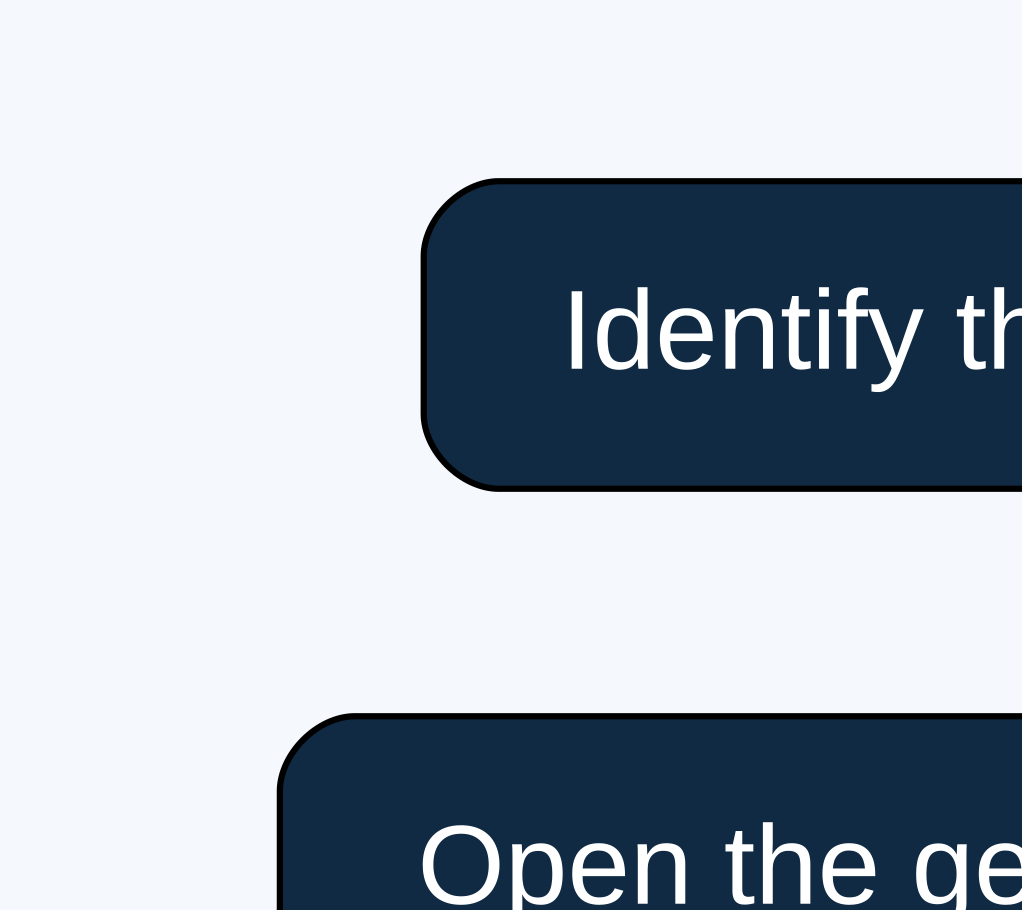
A seven-step licence verification worksheet
- Identify the contract party. Use the complete legal name in the current agreement, not only the brand above the trading chart.
- Record the exact regulatory claim. Keep the authority, identifier and claimed status as presented.
- Navigate independently. Open the authority’s genuine website and follow its register route.
- Resolve the entity match. Compare identifiers and legal names; do not select a similar result because it looks plausible.
- Examine permission and conditions. Compare the proposed activity, product and customer arrangement with the actual record.
- Authenticate contact and domain. Establish that the website and representative belong to the genuine firm.
- Document the conclusion. Keep the checking date, official source and unresolved questions.
This is a repeatable evidence process. It does not replace product-specific legal advice or prove that a licensed firm cannot fail. A short answer to “Is this broker regulated?” should not conceal which of these checks remain incomplete.
Choose the official tool that answers the question
The FCA describes its Firm Checker as a consumer tool for checking a firm’s authorisation and permission for products or services. Its guidance also identifies information that requires the fuller Financial Services Register, including the ability to handle client money, historic fines and certain restrictions. Do not interpret a simplified tool’s missing field as evidence that no restriction exists.
SC Malaysia’s Investment Checker is designed for checking authorisation of people or entities offering, promoting or selling capital-market products and services in Malaysia. MAS’s directory supports searches by institution, licence type or activity. These are examples of different official search tools, not interchangeable global licences.
| Research question | Where to look |
|---|---|
| Does the claimed entity have the stated record? | Relevant authority’s genuine register or checker |
| Does the service match its permission? | Activity details, restrictions and linked official guidance |
| Is a representative relationship genuine? | Relationship record and confirmation from the genuine principal |
| Does the website belong to the firm? | Official contact information and independent confirmation |
| What protection applies to this customer? | Applicable complaint or compensation scheme’s own rules |
Representatives, principals and group entities
The FCA’s authorisation guidance explains that an appointed representative operates under a principal’s responsibility for agreed activities. For a claim involving that structure, check the relationship and ask the genuine principal what the representative may do. Do not assume the relationship permits every service advertised.
A group subsidiary is a different question from an appointed representative. Keep the legal relationship and the regulatory relationship separate. If marketing names a regulated partner but the agreement names another company, resolve that difference before treating the account as covered by the partner’s status.
Three possible findings from the same search
Identity matches, activity unclear. The company and website can be genuine while a proposed contract still requires a scope check. Keep the result partial and ask about the particular activity.
Record found, contact mismatch. A copied reference number may lead to an authentic firm. Verify the disputed domain or caller through an independent genuine route; a register match cannot authenticate the claimant by itself.
No result found. Check spelling, identifiers, filters and whether the correct authority was searched. If uncertainty remains, ask that authority. A failed search is not a universal legal ruling, but it is also not positive evidence of permission.
Keep screenshots in context
Record the official address and date alongside any screenshot. A cropped image can omit status, restrictions or the identity of the search tool. Retain the actual contract version so a later reader knows which service was compared with the record.
Do not use access to a demo, a successful deposit or a previous small withdrawal to fill a regulatory evidence gap. Those observations concern different questions. Our payment research hub separates transaction evidence from licence verification.
Frequently asked questions
Does a licence number prove a website is genuine?
No. Match the domain and representative independently. A real number can be copied by an unrelated site.
Does authorisation guarantee compensation?
No. Eligibility depends on the applicable scheme, firm, activity and customer circumstances. Read the scheme’s own rules rather than inferring coverage from a logo.
How often should I repeat the check?
Keep the date and recheck when the entity, domain, service or terms change, or before relying on an older result for a new decision. No permanent verification badge is established by one historical search.
Can an overseas licence answer every local question?
No. Establish the territorial and customer basis for the actual service. Our country research provides jurisdiction-specific starting points without assuming one country’s permission applies worldwide.
Fictional teaching examples, not regulator screenshots, real firm records or accusations about a named provider.
A. Illustrative register record
Reference: DEMO-123 · status and date must be checked.
Only the actual listed activities and restrictions count.
Confirm through details obtained independently from the genuine register.
B. Compare the offer you actually received
A shared brand or copied reference number is insufficient.
Match the actual product, territory, restrictions and account entity.
If details differ, resolve the identity before relying on the claim.
Do not mark the offer verified merely because one field matches. Save the dated record and any unresolved mismatch.
This conceptual record is not a real licence. Use the relevant authority’s genuine register and authenticate the relationship between the offer and the listed entity. Authorisation is not a guarantee of returns or a substitute for checking protection eligibility.
Sources and research scope
- FCA guidance on authenticating firms and avoiding clones
- SC Malaysia Investment Checker
- MAS Financial Institutions Directory
- FCA Firm Checker and information limits
- FCA: checking authorisation and appointed representatives
Public-source review: 25 October 2026. Examples are illustrative. Documentary research does not represent funded-account testing. Rules must be checked against the current product, entity and customer location.
Related research
Regulatory verification hub · Research methodology · Calculation tools
Risk: Fixed-outcome contracts can lose the entire stake. No chart pattern, calculator or demo result guarantees future returns.